

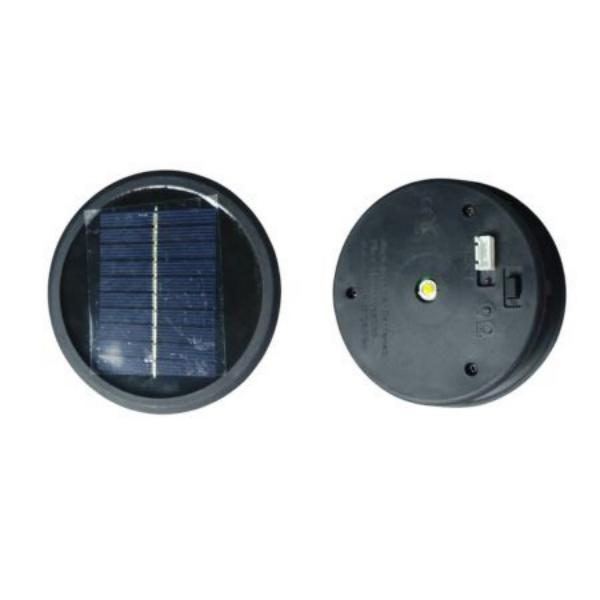
Solar Power Module Assembly for Garden Solar Lights
Integrated assembly of solar panels, battery boxes, sensors and control systems for stable outdoor performance.
For cemetery lantern projects requiring continuous lighting, USB charging or 18650 battery configurations, see our solar modules for grave lanterns.
- In-house solar panel & battery box assembly
- Stable charging and lighting control
- Designed for outdoor garden environments
- Reduced after-sales risk for B2B buyers
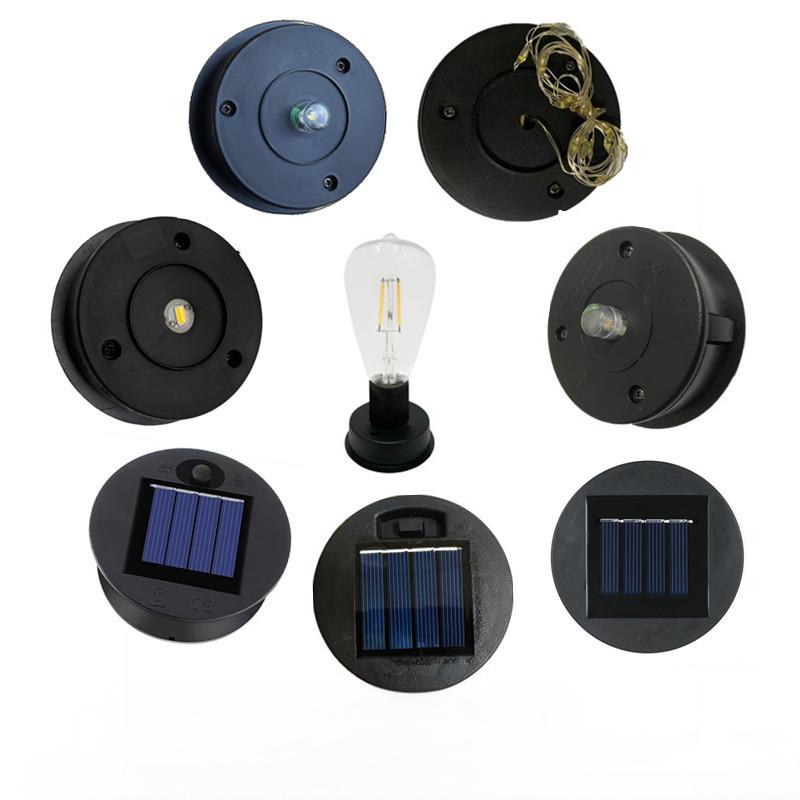
More Solar Power Module Collection:
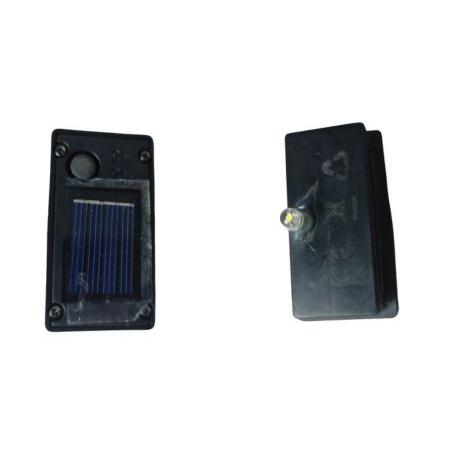
3x6cm Rectangular Battery Box
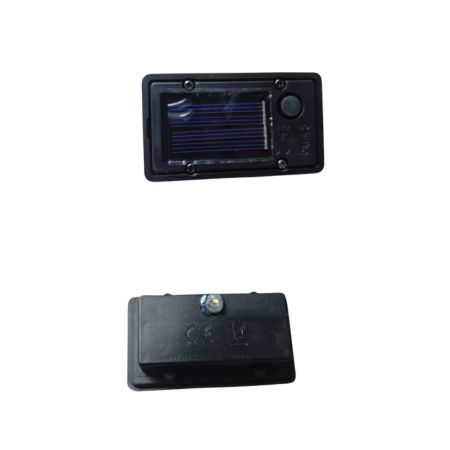
4x7cm Rectangular Battery Box
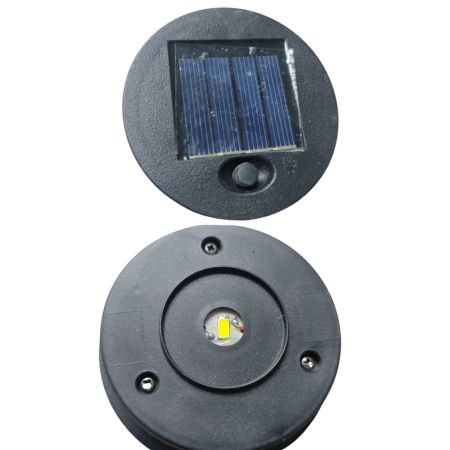
7cm Solar LED Surface Mount Lamp Battery Box
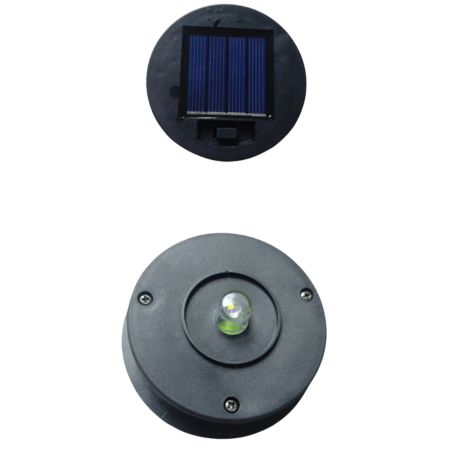
7cm Solar Small Bulb Battery Box
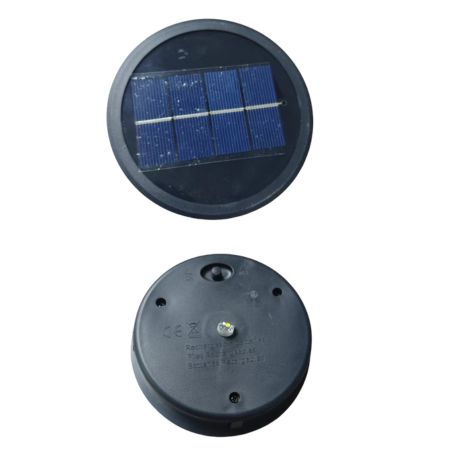
10.5cm Solar Battery Box
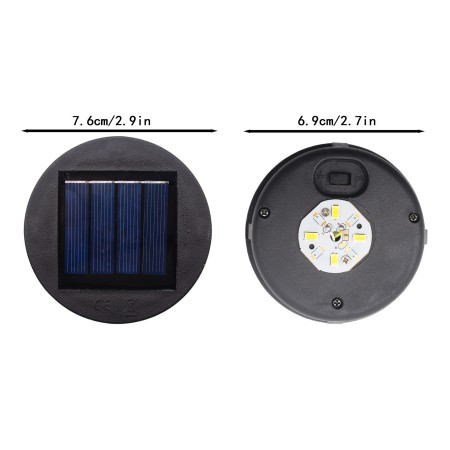
8cm Four-Prong Surface Mount Battery Box
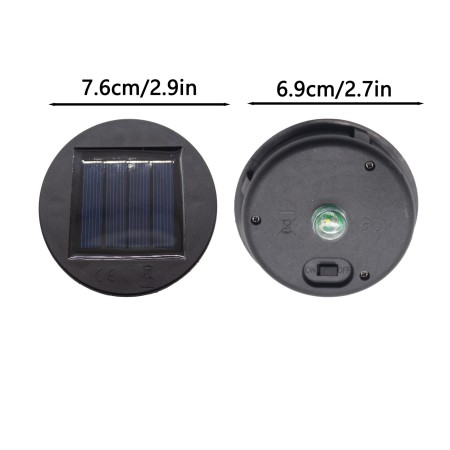
8cm Solar Large Bulb Battery Box
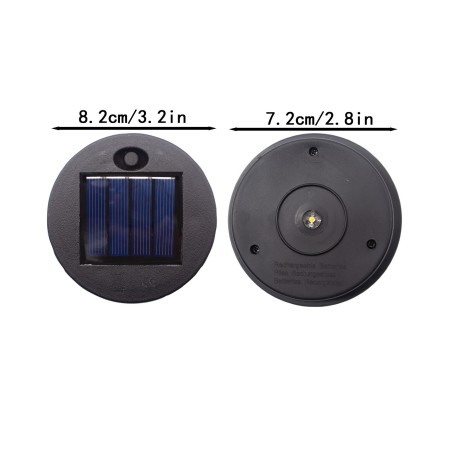
8.5cm Solar Cell Box
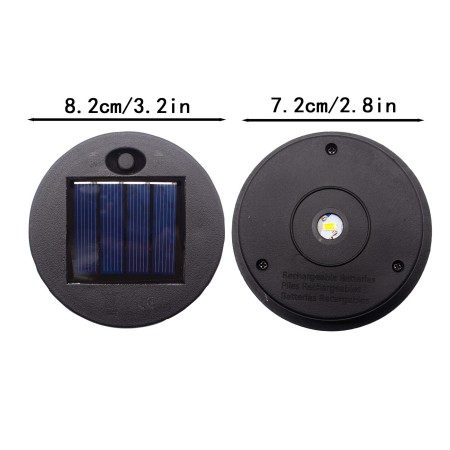
8.5cm Solar LED SMD Light Battery Box
From Solar Panel to Complete Solar Power Module
In many garden solar lights, separately sourced components receive minimal system verification. We take a system-based approach so charging, storage, control and protection work as one complete module.
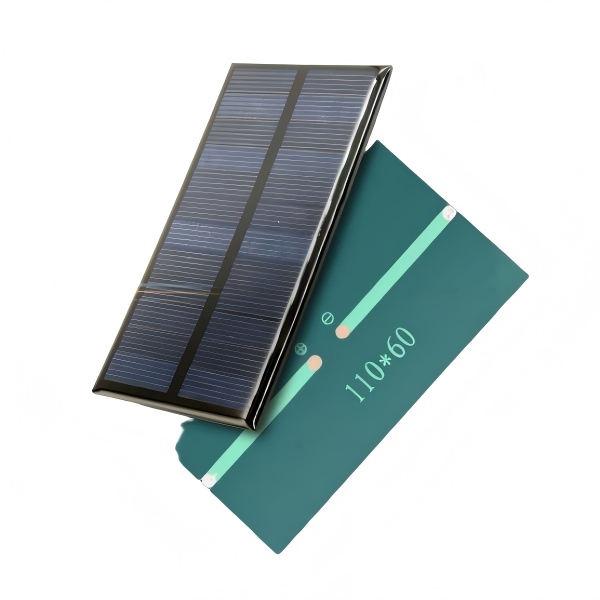
Solar Panel (Energy Generation)
Converts sunlight into electrical energy to power the solar lighting system.
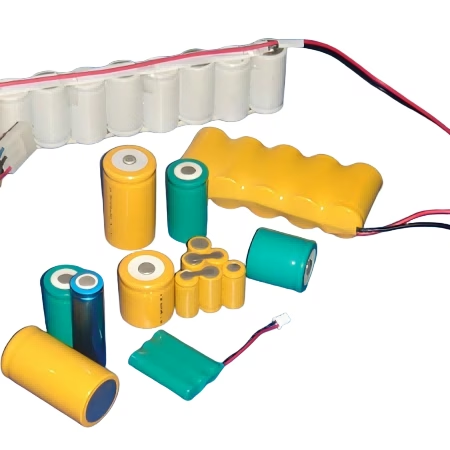
Battery (Energy Storage)
Stores solar energy and delivers stable power for nighttime illumination.
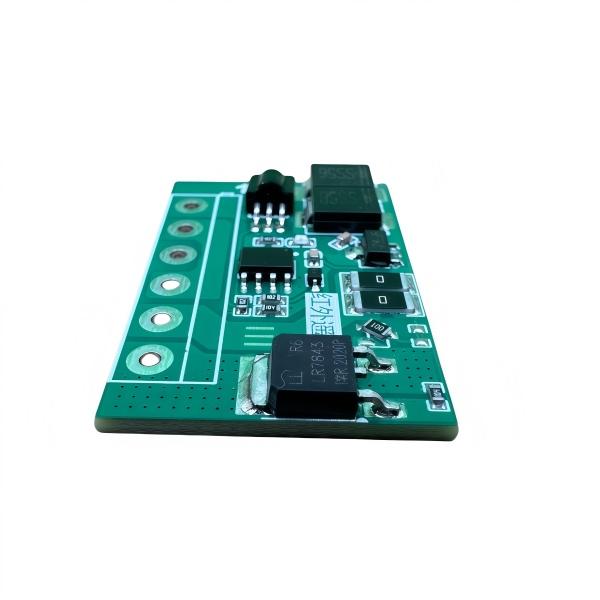
Control Board (Energy Management)
Manages charging, discharging, lighting logic and battery protection.
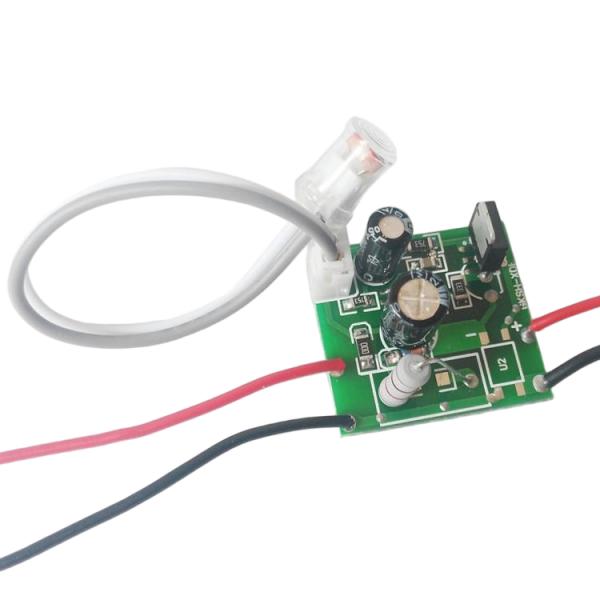
Sensors (Lighting Logic)
Detect ambient conditions and trigger automatic lighting operation.
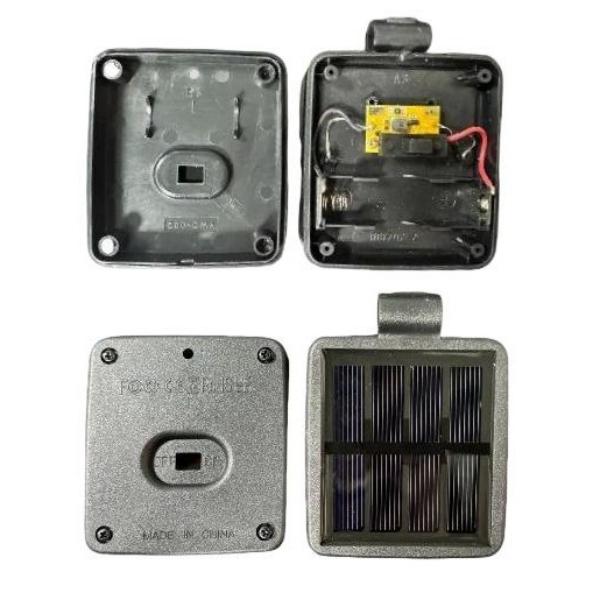
Sealed Battery Box (Outdoor Protection)
Protects internal components from moisture, dust and outdoor exposure.
Only when these elements are properly matched and assembled can a solar light perform reliably outdoors.
Work with a Solar Power Module Manufacturer, Not a Component Assembler
At GlowYard, we do not assemble solar lights by combining off-the-shelf parts. We design and assemble complete solar power modules with full responsibility for performance.
If you are looking for garden solar lighting solutions with stable quality, predictable performance, and reduced after-sales risk, our engineering team is ready to support your project.
Contact us to discuss your solar power module requirements or request a tested sample.

Production Workshop
Integrated Epoxy Solar Panel Manufacturing Process
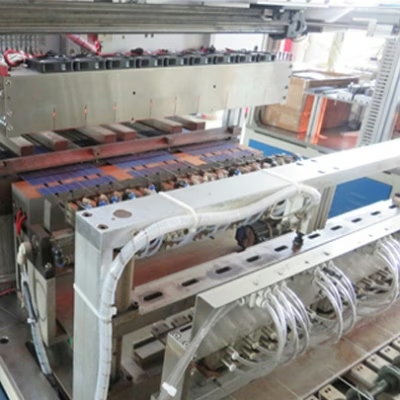
Our epoxy solar panels are produced through an integrated in-house process, covering cell testing, cutting, welding, encapsulation, and final inspection.
Each production step is strictly controlled to ensure consistent electrical output, structural stability, and long-term outdoor durability.
From single-cell testing and laser cutting to manual soldering, epoxy encapsulation, and finished product inspection, every panel is verified before assembly into solar lighting systems.
This process allows us to minimize performance variation, reduce defect rates, and deliver stable solar solutions for large-volume B2B orders.
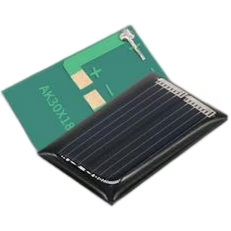
30x18mm 1v/40ma
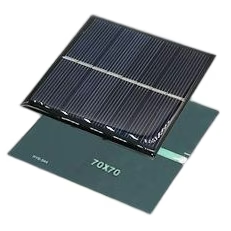
70x70mm 4v/150ma
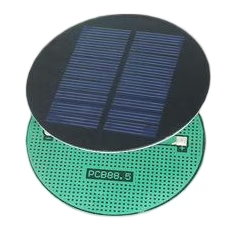
Φ88.5mm 4v/130ma
How Solar Panels for Garden Lights Are Made – Inside Glowyard’s Manufacturing Process
Solar garden lights rely heavily on the stability of their solar modules.
STEP 01

Single Chip Test
STEP 02

Laser Slicing
STEP 03

Manual Welding
STEP 04

Manual Solder Joint
STEP 05

Semi Finished Product Testing
STEP 06
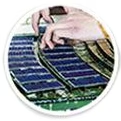
Dispensing
STEP 07
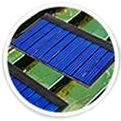
Baked Glue
STEP 08

Finished Product Testing
STEP 09

Film Application
STEP 10
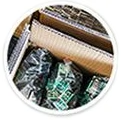
Finished Product Packaging
3-Step Quality Assurance Process
Every solar panel is built for reliability, not just illumination. Electrical stability, UV resistance and sealing are checked before final integration.
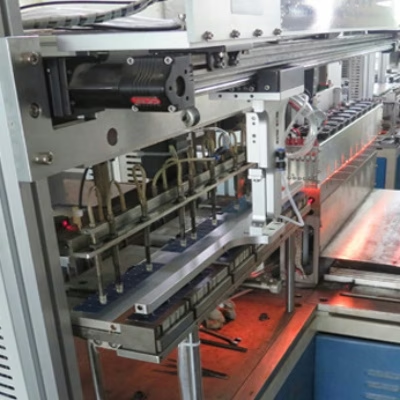
1. Electrical Performance Test
Purpose: Ensures consistent voltage, amperage and overall charging efficiency.
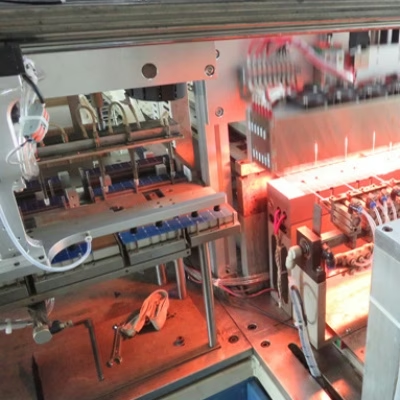
2. UV & Aging Simulation
Purpose: Validates long-term durability against sunlight, heat and outdoor environments.
3. Waterproof & Seal Integrity Check
Purpose: Prevents moisture damage and ensures reliable outdoor performance.
Solar Battery Selection & Energy Storage
Battery Selection for Outdoor Solar Lights
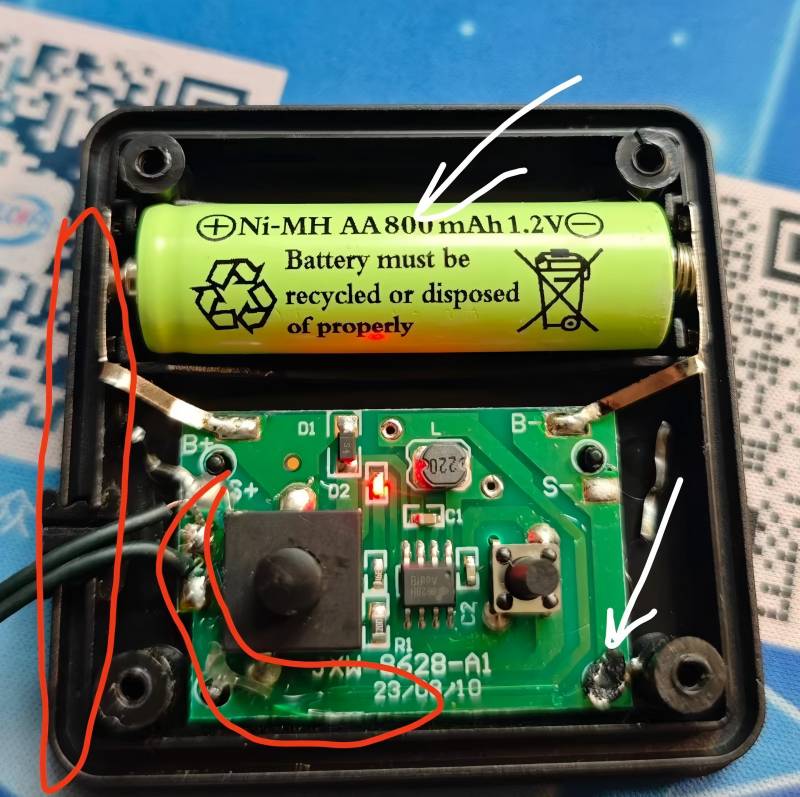
Battery performance directly affects lighting duration, product lifespan and safety. We select batteries based on:
- Battery type (Li-ion or Ni-MH)
- Capacity matching with solar panel output
- Temperature tolerance for outdoor use
- Charging and discharging stability
Oversized batteries increase cost without improving performance. Undersized batteries shorten lighting time and reduce lifespan. Balanced matching is essential.
Battery Integration & Protection
During assembly, batteries are integrated with:
- Overcharge protection
- Over-discharge protection
- Short-circuit prevention
This protects the battery from premature degradation and ensures long-term reliability.
Control Board & Energy Management System
Charging and Discharging Logic
The control board determines how efficiently solar energy is stored and used. Our control system manages:
- Day and night light sensing
- Charging current regulation
- Discharging power control
- LED output stability
Optimized control logic ensures energy is used efficiently rather than wasted.
Sensor Component Selection
Sensors play a critical role in lighting behavior and user experience. Depending on product requirements, we integrate:
- Light sensors for automatic on/off control
- Timing control components for regulated operation
- Stable sensitivity across production batches
Correct sensor matching prevents daytime lighting, delayed activation and inconsistent behavior.
Solar Battery Box Assembly & Sealing
Structural Design of the Battery Box
The battery box protects all internal components from environmental damage. Our design focuses on:
- Structural strength
- Internal component stability
- Heat dissipation management
The internal layout is checked for repeatable assembly and secure component positioning.
Waterproof Sealing & Outdoor Protection
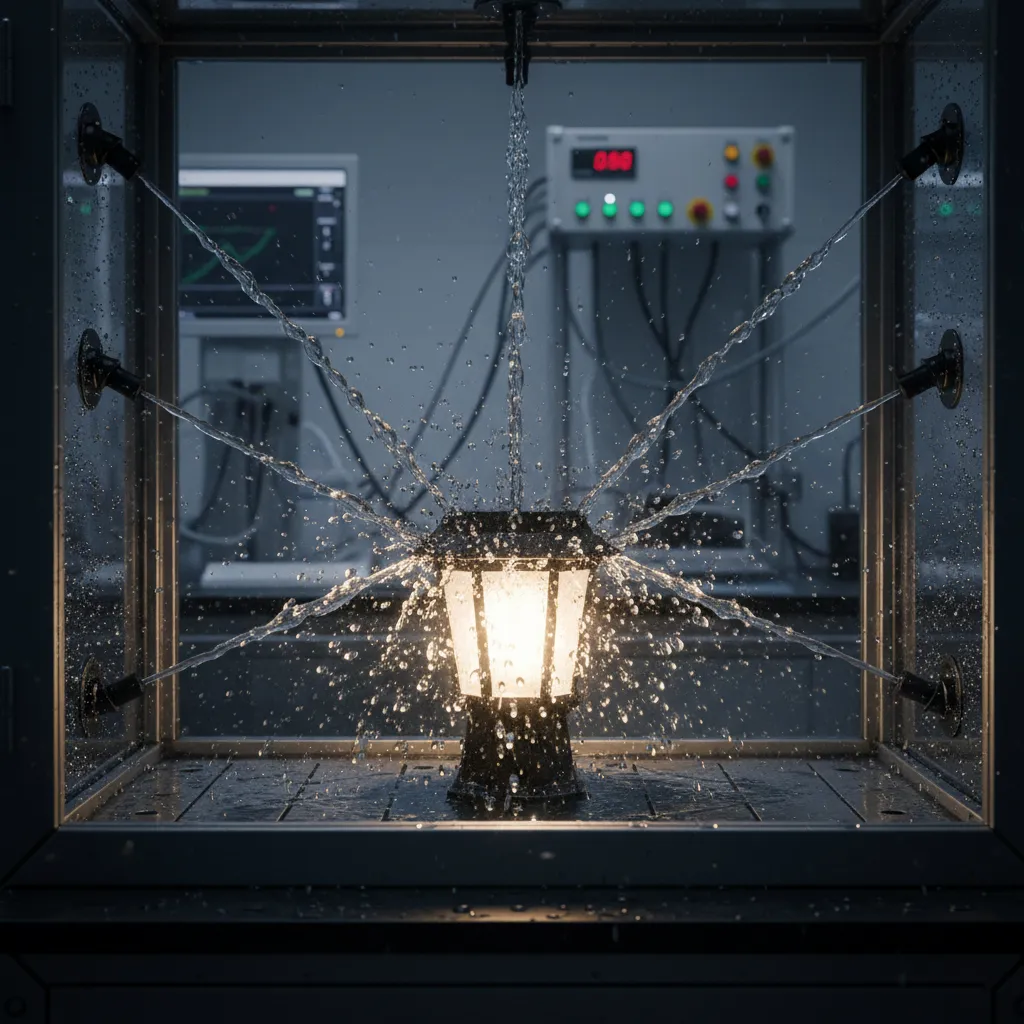
Most outdoor solar light failures originate from moisture entering the battery box. To prevent this, we apply:
- Precision-fit gaskets
- Outdoor-grade sealing materials
- Controlled assembly procedures
- Waterproof verification after assembly
Sealing quality is controlled in production, not only checked on a laboratory sample.
Solar Power Module Testing & Verification
Before integration into finished solar lights, each solar power module undergoes system-level inspection.

Charging Efficiency Testing

Lighting Duration Verification

Light Sensor Response Testing
Waterproof Inspection
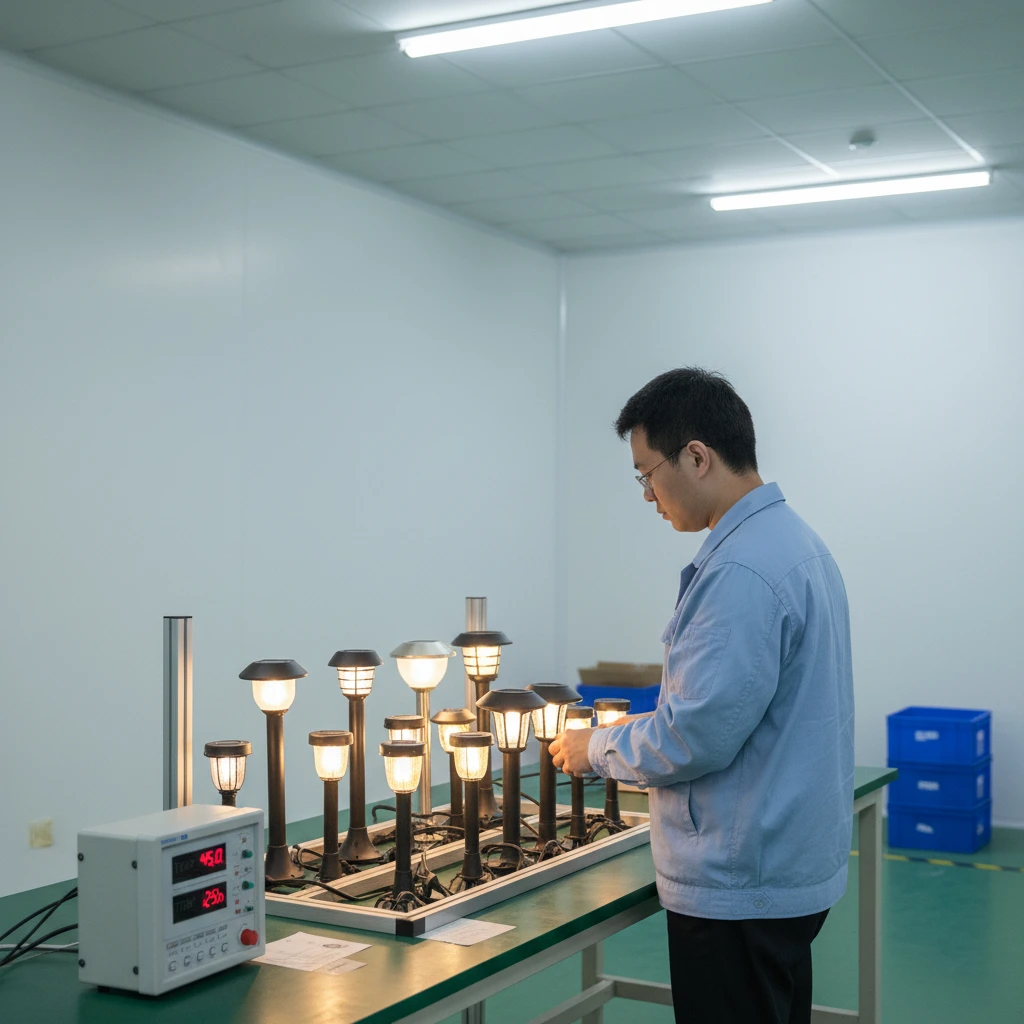
Aging Simulation
Common Solar Power Module Problems We Help Buyers Avoid
By controlling solar power module assembly in-house, we help buyers avoid common system-level failures.
Uneven brightness within the same shipment
Usually caused by mixed-quality solar panels or inconsistent system matching, resulting in different charging and lighting performance across products in the same order.
Incorrect sensor response
Unstable light sensors or poorly calibrated control boards can make lights turn on too early, too late or fail to respond consistently.
Solar lights failing after one season
Poor battery protection, moisture ingress or improper charging logic accelerates battery aging and leads to early product failure.
Performance inconsistency between samples and bulk orders
Component substitution or missing system-level verification between sampling and mass production creates preventable variation.
These issues are caused by poor system integration—not by individual parts alone.
OEM & ODM Solar Power Module Customization
We support OEM and ODM projects with flexible solar power module design and verified engineering changes.
Certified for Global Markets
Our factory holds BSCI, ISO 9001 and Sedex audits, while products can be supplied with CE, RoHS, FCC, UL, UKCA and other compliance documentation.
Designed for Global Solar Lighting Markets
Our solar power modules are engineered to perform across different regional conditions.

Low-sunlight conditions in Europe

Seasonal retail demands in North America

High-UV and high-temperature environments in Australia
System-level design ensures stable performance regardless of climate variation.