
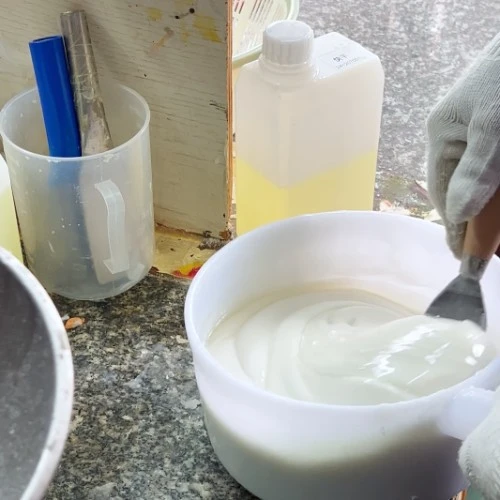
Resin Material Selection & Color Matching
- -Select outdoor‑grade resin formulas suitable for UV, temperature and humidity changes.
- -Plan wall thickness and basic structure, and match base color pigments to your design brief.
We design and produce custom resin components using high-precision molds and outdoor-grade resin blends. From animal figurines to intricate garden statues, our team handles sculpting, mold creation, pouring and surface finishing. Each piece is made to withstand UV exposure, temperature changes, and long-term outdoor use—ideal for brands seeking unique and market-ready garden solar designs.

How we turn resin concepts into outdoor‑ready solar light housings. For more sculpture-focused products, we have also explained solar garden statue manufacturing process, including mold detail, hand finishing, solar integration, and quality control.
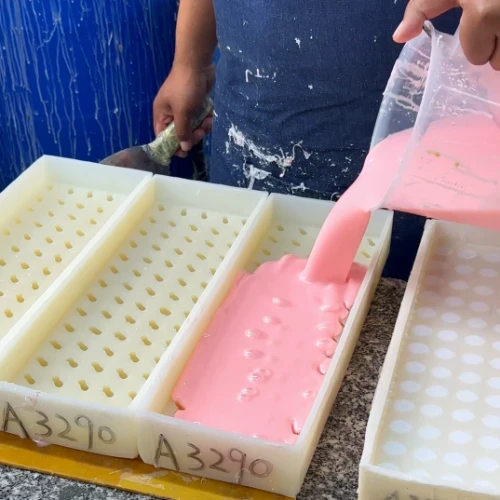
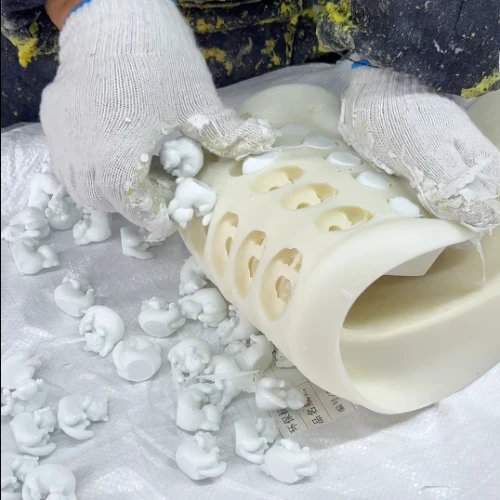
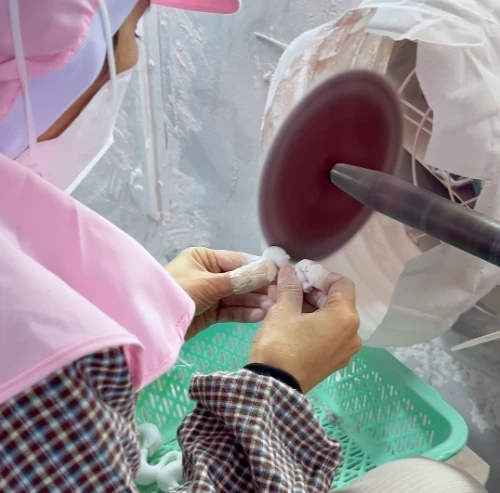
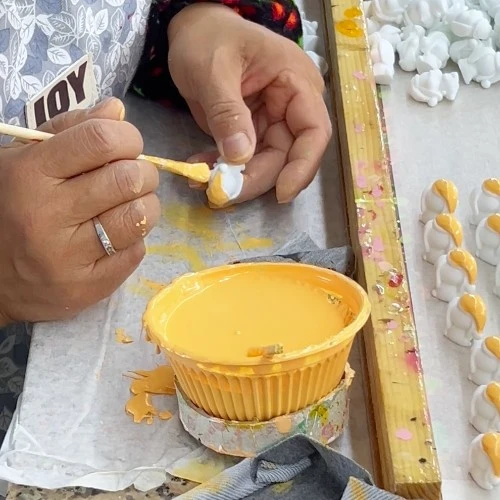
Key resin processes—from material control and sculpting to casting and hand-painting—that keep decorative solar garden lights detailed, consistent and ready for real outdoor use.
For more sculpture-focused products, we have also explained resin statue light production guide, including mold detail, hand finishing, solar integration, and quality control.
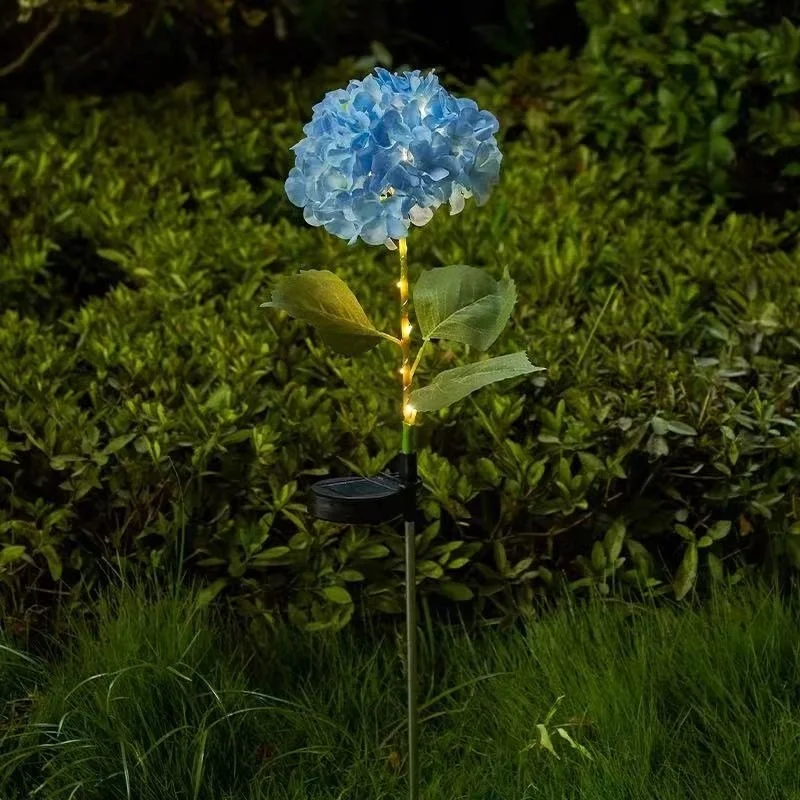
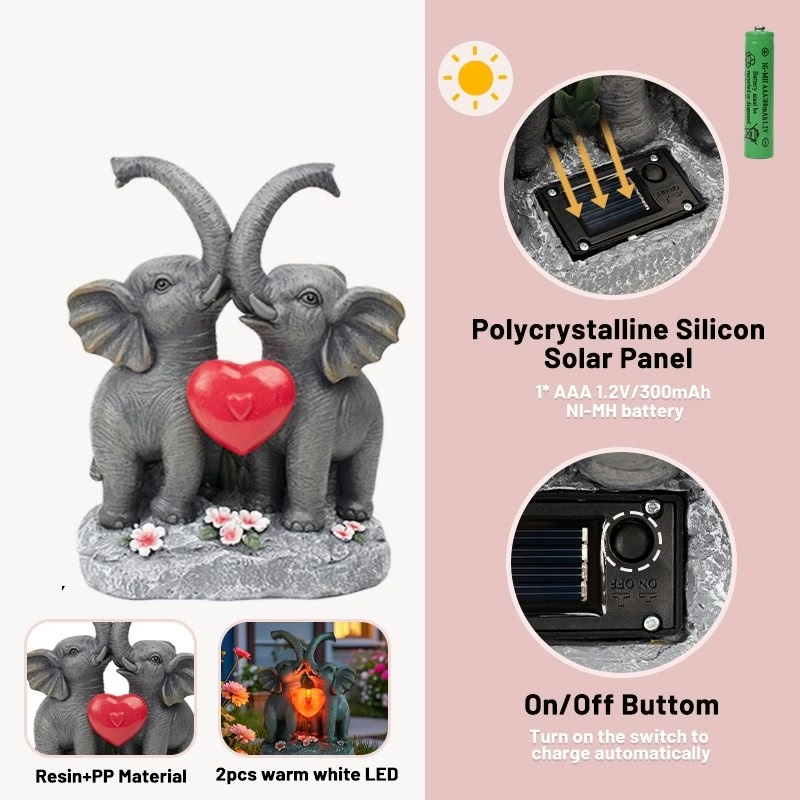
Explore representative resin‑based outdoor and solar lighting designs—such as memorial statues, animal tabletop lights and themed garden ornaments—that are manufactured using our dedicated resin molding, painting and finishing capabilities.

What B2B buyers often encounter when sourcing resin solar lights from China.
Low‑grade resin formulas, poor mold design or uneven wall thickness can lead to micro‑cracks, warping or deformation after one or two seasons of outdoor exposure.
Incomplete mold filling, air bubbles, poor deburring and uncontrolled hand‑painting can result in visible defects—especially obvious on animal figures, faces and fine patterns.
Inadequate UV‑resistant pigments, thin paint layers or insufficient top‑coat protection cause bright colors to fade and light areas to turn yellow, making products look old quickly.
Gaps, misalignment or brittle glue joints around the solar module and battery compartment allow moisture in, leading to condensation, rusted contacts and early failures.
To understand how these issues appear across the whole production chain, you can review our outdoor lighting manufacturing overview.
How our resin manufacturing system combines detailed appearance with outdoor reliability.
We work with proven outdoor‑grade resin materials and design proper wall‑thickness and internal support to reduce cracking and deformation under sun, rain and temperature cycles.
Base coat, color layers and top‑coat are arranged as a system—using UV‑resistant pigments and protective clear coats—to slow fading and yellowing for multi‑season outdoor use.
Standardized procedures cover mold preparation, pouring/casting, bubble removal, trimming and polishing. For detailed figures, we use checklists and master samples to keep expressions and patterns consistent from batch to batch.
Our R&D team co‑designs the recess for solar panels, battery compartments and cable routing when developing resin shapes. Gaskets, seals and drainage paths are planned in the drawing stage to support target IP performance instead of being patched after problems occur.
For a complete view of how resin housings work together with our electronics and assembly, you can visit our Our Factory introduction and general manufacturing capabilities overview.
How we test and document resin products so they survive real outdoor conditions.
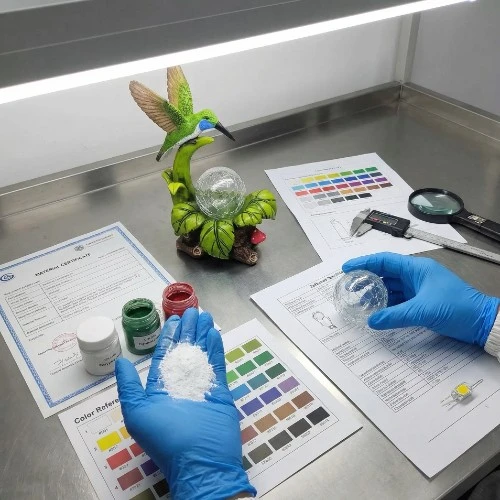
Our IQC, IPQC, FQC and OQC system includes checks on resin raw materials, mold quality, surface finish, painting coverage and assembly fit—not just a quick function test.
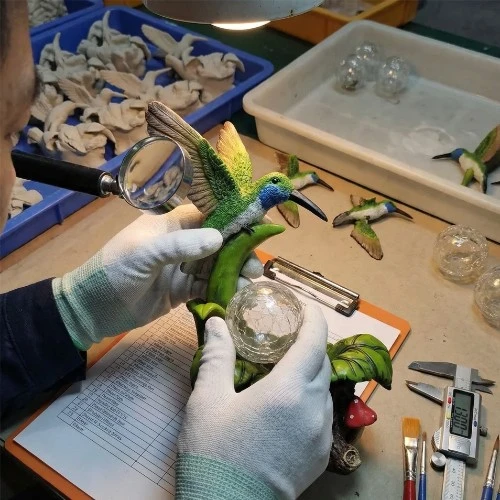
Typical resin SKUs undergo high/low‑temperature and humidity aging tests, UV exposure, vibration and drop tests, plus appearance inspections after testing to confirm that cracking and color change stay within agreed limits.
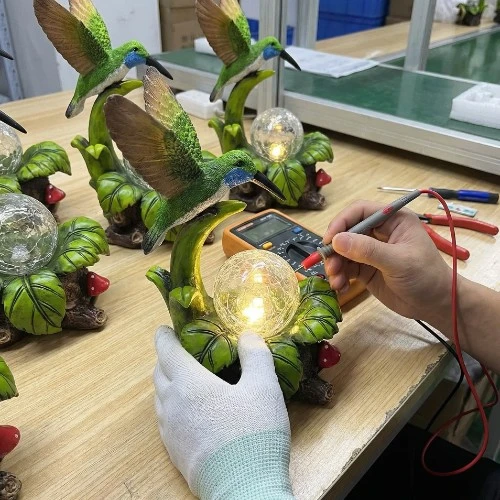
Complete resin solar lights are tested for IP rating, insulation and battery safety, with special attention to sealing around the solar module and any screw‑through joints.
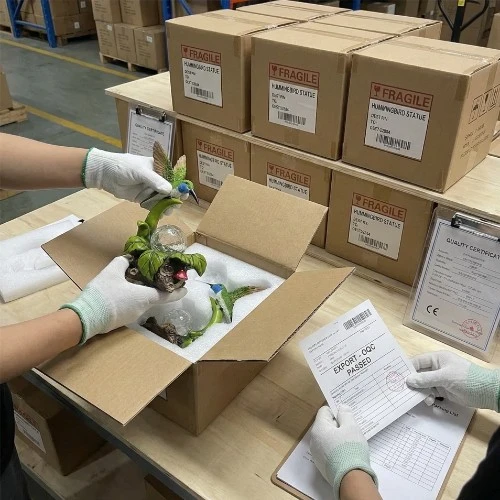
Production lots are traceable; if any abnormal defect pattern appears, we perform root‑cause analysis and corrective actions at mold, material or process level. Warranty coverage and handling procedures are defined in advance for B2B buyers.
Our factory holds BSCI, ISO 9001, and Sedex audits, and our products comply with CE, RoHS, FCC, UL, UKCA and more.
Practical guidelines to write better RFQs and compare resin suppliers fairly.
State whether lights are for memorials, themed gardens or seasonal decorations, and how many outdoor seasons you expect them to last. This guides choices on resin grade, wall‑thickness and coating system.
For animal figures, characters or detailed patterns, confirm a “golden sample” plus simple drawings or photos that specify key expressions, colors and finishes. This reduces disputes about subjective appearance.
Resin is harder than plastic but more brittle at thin sections. Define inner packing, cushioning, and carton drop‑tests so products survive transport without chipped parts or cracks.
New resin molds, complex hand‑painting or large figurines require higher MOQ and longer cycles. Use existing molds with color changes for small tests, and reserve full new designs for core SKUs with clear volume plans.
For more practical details on MOQ, lead times and ordering flow, refer to our purchasing guide for solar garden lights.
Practical guides, FAQs and insights on resin selection, outdoor aging, color fading control and production best practices to help buyers design and source better resin‑based solar garden lights.
Wanna Customize Your Solar Outdoor Lighting?
Glowyard Lighting Are here to help!